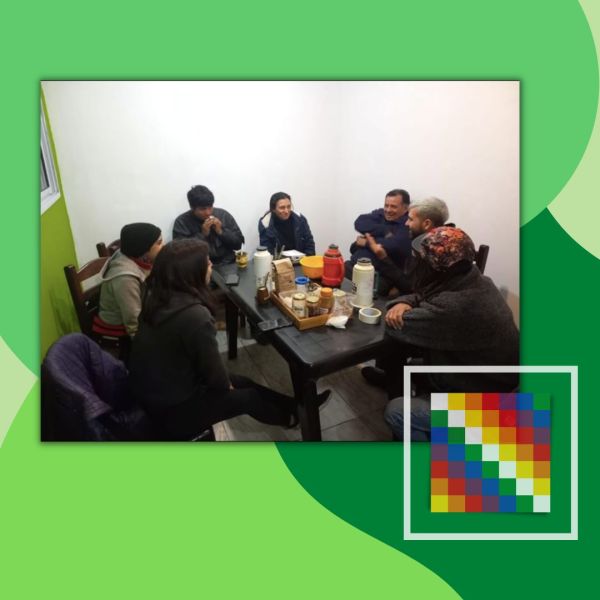
In Argentina, August 1st is El día de la Pachamama. Pachamama is what natives call Mother Earth. The translation would be "Mother Earth's Day" In the vision of our natives, it's also our New Year, as opposed to the one in the Western calendar the colonization imposed. In different parts of the country, there are celebrations for this day, and MILPA participated in organizing a festival in the Parque San Lorenzo neighborhood. We translated their article so you could know more about this celebration and Comunidad MILPA's commitment to the community. You can read the original article in spanish in @comunidad_milpa instagram.
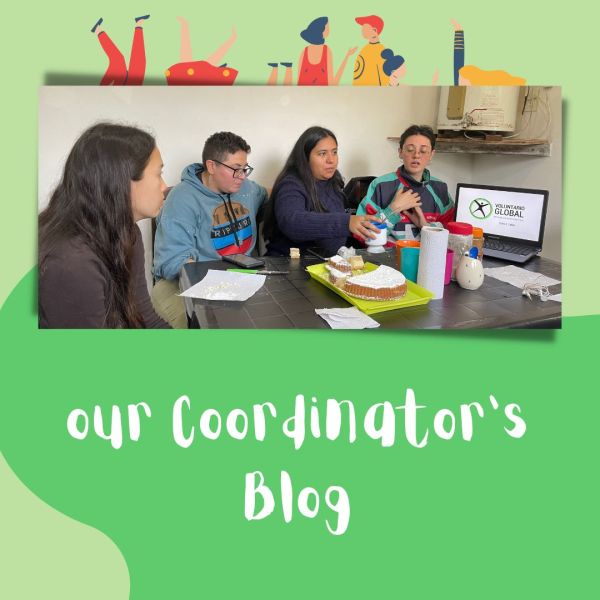
Abi, our coordinator, reflects on the learning process of volunteer work, and the expectations and disappointments which come along with it.

After about an hour of travel from the heart of the city, Cordelia, Abi, and I arrive at Comunidad Milpa. Located in General Pacheco, the garden and greenhouse of Milpa is one of two projects started by Voluntario Global. As I step outside of the car, I am greeted by Rashu, a majestic, black-haired greyhound, one of Valeria’s (Voluntario Global’s co-founder) two pet dogs.
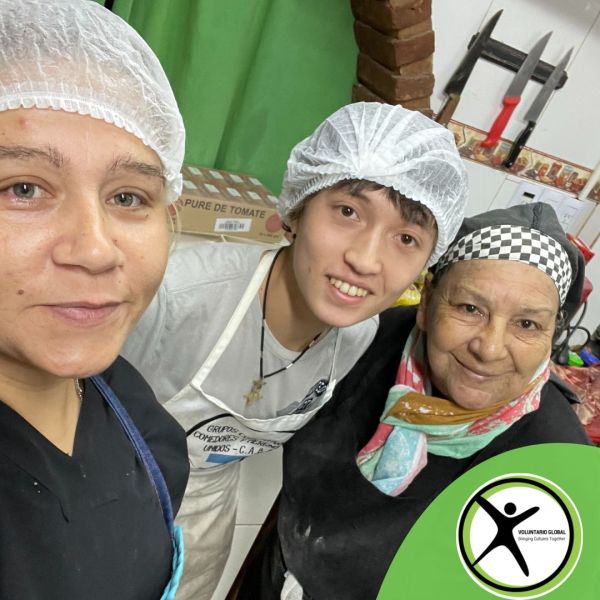

In 2008, almost 10 years after my first visit to Latin America having just qualified as a Spanish teacher, I arrived in a cold, grey Buenos Aires. The plan was to spend 2 months volunteering with a relatively new volunteering charity called Voluntario Global. Back in 2008, Valeria Gracia and Armin Díaz, the original founders of the organisation, had set up a grass roots organisation that worked, principally, out of two community centres in impoverished barrios of the Argentine capital. What was unique about Voluntario Global, and remains true today, is that it looked to bring together the energy and enthusiasm of international volunteers with the local members of the poor communities of Buenos Aires who believed that change in their lives, and those of their neighbourhoods at large, was possible through international co-operation and partnership.
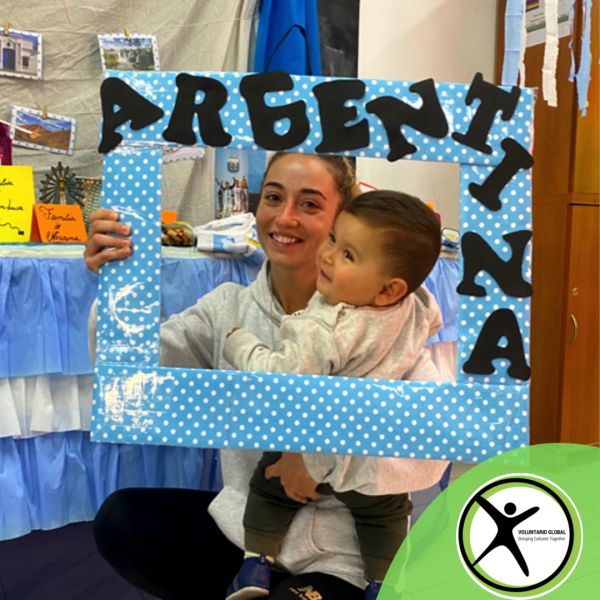
The crèche is not just a place where your children are welcomed and cared for, it is an institution with a deep history and wonderful human values. Indeed, founded by women many years ago, it was a way for them to combine the useful with the pleasant, but above all it was a matter of necessity. Unable to look after children and earn money, they had to find a solution to both problems. So, by building their own crèche, they were able to keep an eye on the children but also develop a business. The beginnings were not easy, sometimes having to bring food from home to feed the children they were looking after because of the little money they had. But with ambition and courage they succeeded and now allow other women like them to do the same thing by getting a job as a teacher, cook or cleaner in the crèche and also to be able to drop off their children. Most of the women working in this institution are, in fact, accompanied by their respective children, sometimes even in the same class.

La crèche n’est pas un simple lieu où l’on accueille et prend soin de vos enfants, c’est une institution qui possède une profonde histoire ainsi que de merveilleuses valeurs humaines. En effet, fondée par des femmes il y a plusieurs années de cela, c’était le moyen pour elles de lier l’utile à l’agréable mais c’était surtout une question de nécessité. Ne pouvant s'occuper des enfants et gagner de l’argent, elles durent trouver une solution aux deux problèmes. Ainsi, en construisant leur propre crèche, elles purent avoir un œil sur les enfants mais également développer un business. Les débuts ne furent pas simples, parfois obligés d'apporter de la nourriture de leur propre domicile pour nourrir les enfants qu’elles gardaient à cause du peu d’argent qu’elles possédaient. Mais à force d’ambition et de courage elles réussirent et permettent à présent à d’autres femmes comme elles de faire la même chose en obtenant un travail en tant que maitresse, cuisinière ou femme de ménage au sein de la crèche et de pouvoir également y déposer leur enfant. La plupart des femmes travaillant dans cet établissement sont, en effet, accompagnées de leur enfant respectif, parfois même dans la même classe.
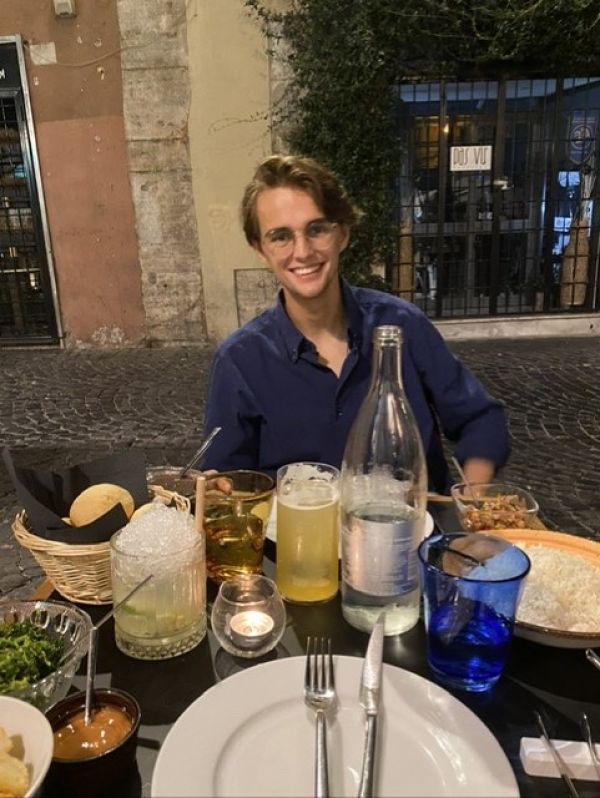
Volunteering Project: I worked at an English school. Outside of the city center in Buenos Aires (Pablo Nogues)
June 2022
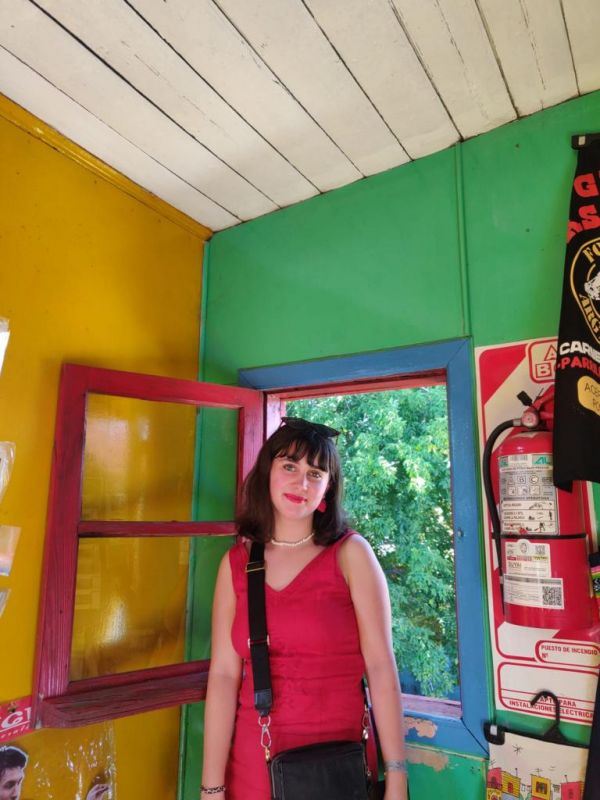
Volunteering Project: Communications
Year of volunteering: March-July 2022

On our way to El Alfarero, a small preschool on the southern border between Buenos Aires Ciudad and Buenos Aires Province, the two sides of industrial development exist in close proximity and stark contrast.

VOLUNTARIO GLOBAL
Voluntario Global helps local communities by being available to discuss anything that local organizations need, and offering ideas for further change and development.
Read more...
CONTACT
Location: General Pacheco. Buenos Aires. Argentina
Email: Diese E-Mail-Adresse ist vor Spambots geschützt! Zur Anzeige muss JavaScript eingeschaltet sein!